Depression, anxiety on the rise for youth: Local approaches aim to address their mental health needs
The Southwest Michigan Journalism Collaborative, through its Mental Wellness Project, is profiling six approaches that address growing concerns about mental health issues experienced by young people in its new solutions-focused reporting series, A Way Through: Strategies for Youth Mental Health.


This article is part of A Way Through: Strategies for Youth Mental Health, a solutions-focused reporting series of Southwest Michigan Journalism Collaborative. The collaborative, a group of 12 regional organizations dedicated to strengthening local journalism and reporting on successful responses to social problems, launched its Mental Wellness Project in 2022 to cover mental health issues in southwest Michigan. Para leer este articulo en español dale click aqui.

Mental health issues among American youths are a growing concern — for parents, educators, health officials, and the children themselves.
New data from the federal Centers of Disease Control indicates that 37% of U.S. high school students experienced poor mental health during the COVID-19 pandemic, and 44% of students report feeling persistently sad or hopeless sometime during the previous year.
Local trending mirrors what’s happening nationally.
“Over the past several years, all the school districts in the county (Kalamazoo) have seen an increase in anxiety and depression for students. When we look at students who were functioning well in the past, those are students who are now needing extra support,” says Marianne Joynt, Portage Public Schools mental health initiatives coordinator.
It’s unclear how much of the surge in reported mental health problems is a result of stresses related to the pandemic and how much is from decreasing stigma, which makes youths more likely to report symptoms of anxiety and/or depression.
Whatever the reason, youth mental health has become a priority for policymakers, who are pushing for strategies to improve access and treatment.
The Southwest Michigan Journalism Collaborative, through its Mental Wellness Project, is profiling six approaches that address the issue through its new solutions-focused reporting series, A Way Through: Strategies for Youth Mental Health.
Stories in the series look at what’s working for children struggling with mental health, and they cover these programs and pathways, many located right in schools:
- Children’s Trauma Assessment Center at Western Michigan University
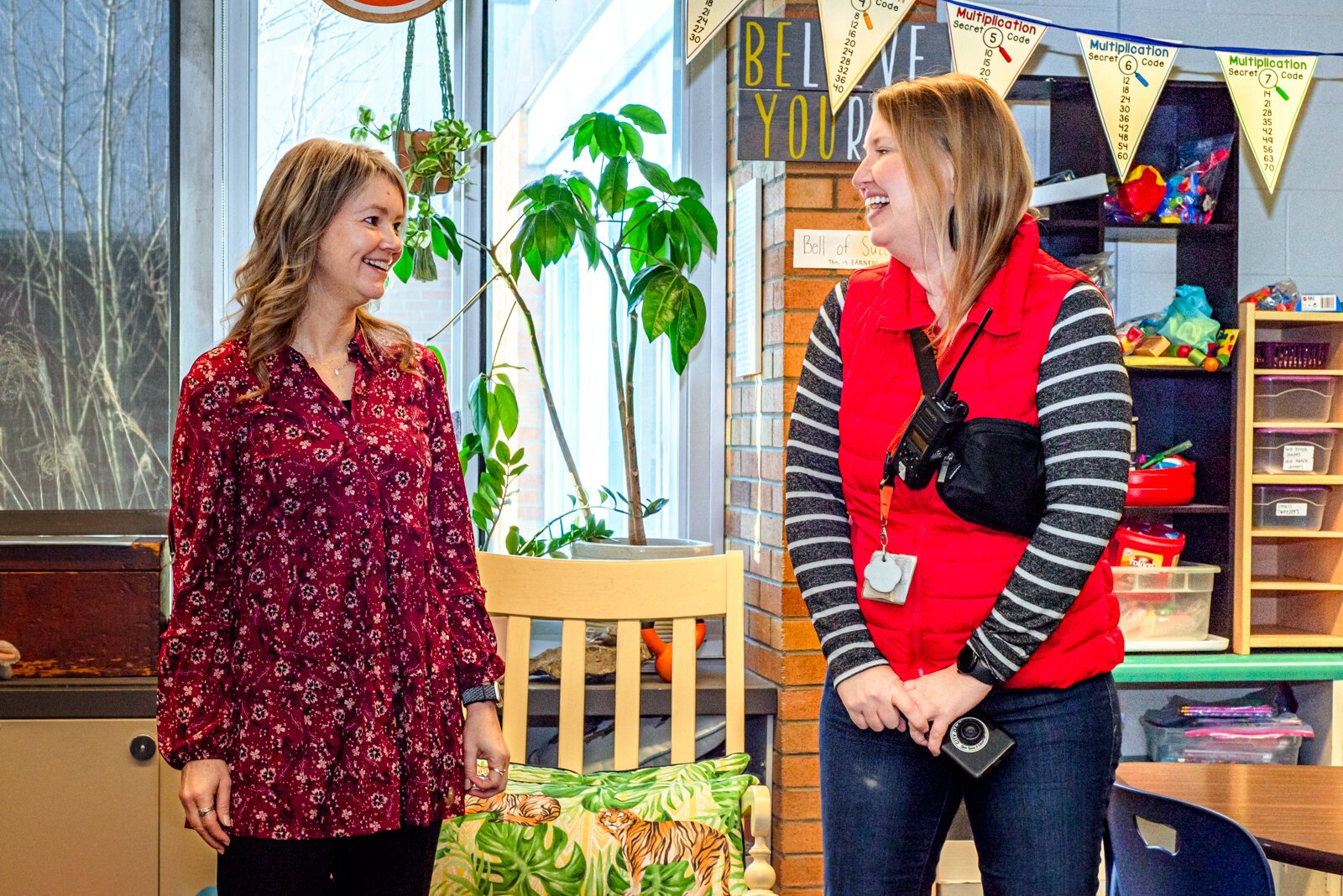
- The hiring of a mental health services coordinator at Portage Public Schools
- SibShops, a program for the siblings of children with severe physical or mental health problems
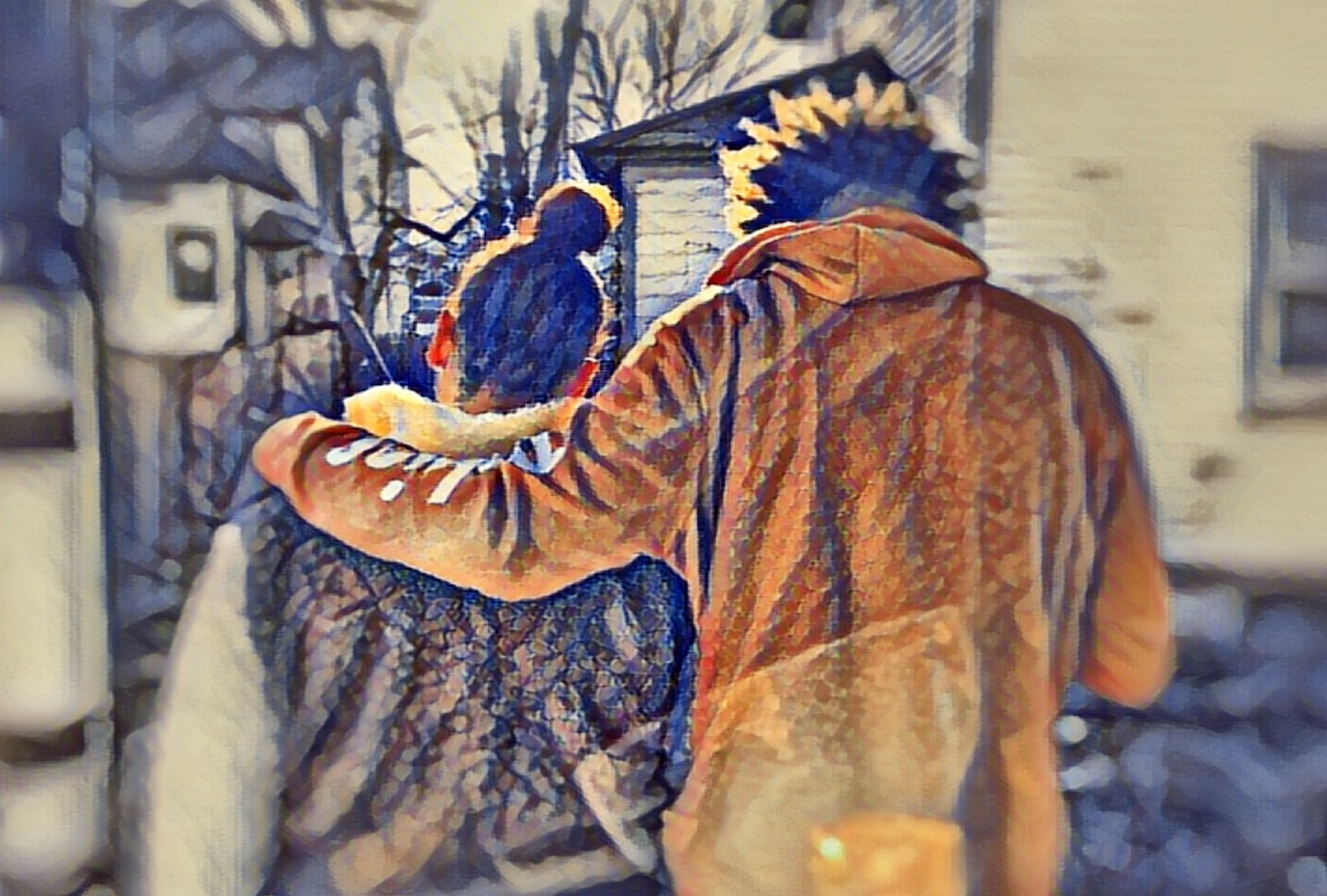
a photo illustration of Mia and her son James, which are not their real names. James, 16, is a Kalamazoo resident who has been shot twice in the past two years. - TRAILS, a program developed by University of Michigan to help school-age children manage their emotions being implemented in Three Rivers and other communities
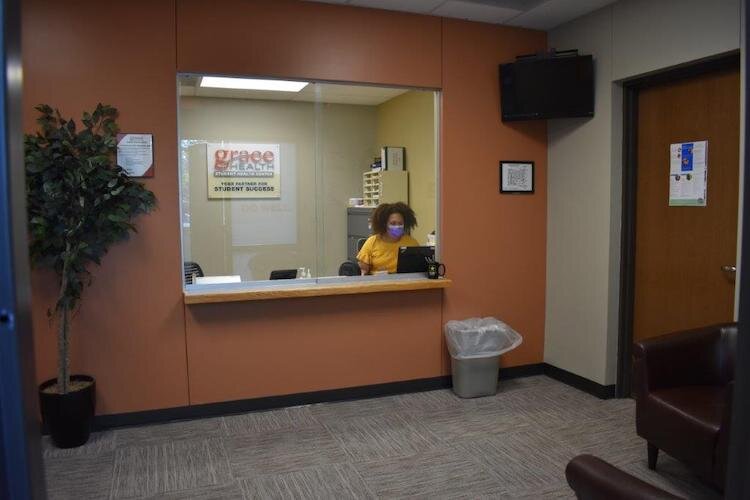
- Battle Creek Central High School school-based health clinic
- A program to support young victims of gun violence
The reporting collaborative also has assembled a downloadable resource guide, Kid Grid, to help parents of children with mental health issues.
The goal is to shine a light on one of the most critical issues of our time and for our community.
According to CDC Acting Principal Deputy Director Dr. Debra Houry in a March: “The COVID-19 pandemic has created traumatic stressors that have the potential to further erode students’ mental wellbeing. Our research shows that surrounding youth with the proper support can reverse these trends and help our youth now and in the future.”
Related Articles
Fewer options, fuller ERs: The behavioral health fallout of Medicaid cuts
MHA advocates for state funding that preserves behavioral health care and keeps rural hospitals open.

Kalamazoo Cookie Exchange to celebrate Women’s History Month and support Black women-owned businesses
Community members will gather March 28 at Urban Exposure Garden for the Kalamazoo Cookie Exchange, a Women’s History Month event celebrating baking, neighborhood connection and three Black women-owned local businesses.
Battle Creek turns housing into a benefit for early childhood educators
A new initiative in Battle Creek will provide rent-free housing and a pathway to homeownership for early childhood educators, aiming to boost compensation, stabilize the workforce, and address the financial challenges facing one of the lowest-paid professions.